

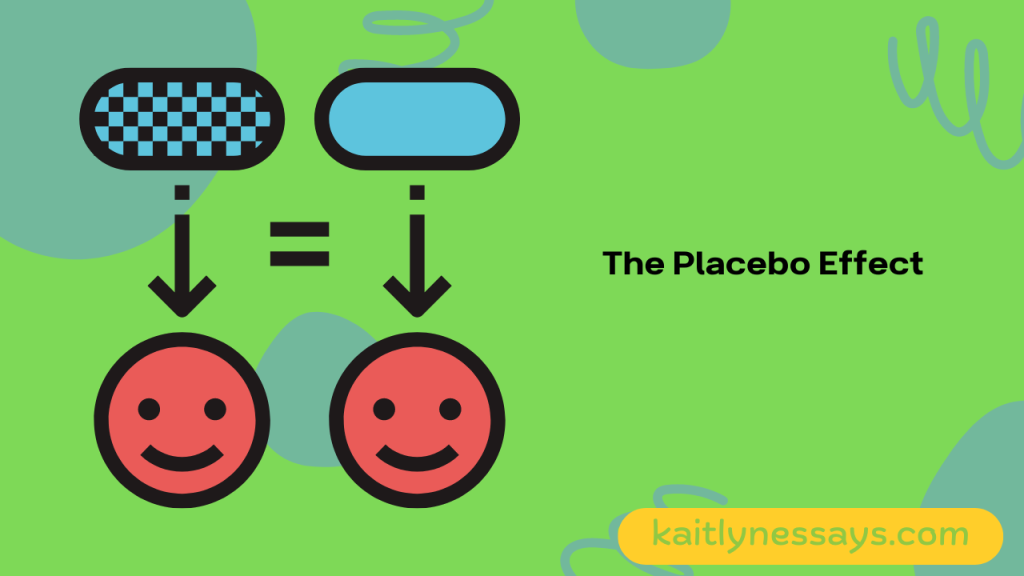
The placebo effect is a fascinating phenomenon in medicine and psychology, where a patient’s symptoms improve after receiving an inactive substance or intervention that they believe to be a real treatment. Despite the absence of any active ingredients, the placebo effect demonstrates the power of belief, expectation, and the mind’s ability to influence physiological processes. In this paper, we will explore the placebo effect in depth, examining its definition, psychological and physiological mechanisms, clinical applications, ethical considerations, and implications for healthcare.
Defining the Placebo Effect:
The term “placebo” originates from the Latin word for “I shall please.” In medical research and practice, a placebo refers to an inert substance or treatment that has no therapeutic effect. However, the placebo effect refers to the phenomenon where patients experience improvements in their symptoms or conditions solely due to their belief in the efficacy of the treatment, regardless of its pharmacological properties.
For example, in a clinical trial testing the effectiveness of a new pain medication, participants in the placebo group may experience pain relief after receiving a sugar pill, simply because they believe it to be a potent analgesic. This response is attributed to the placebo effect.
Psychological and Physiological Mechanisms:

The placebo effect operates through complex psychological and physiological mechanisms, including:
- Expectation and Conditioning: Patients’ expectations and prior experiences play a crucial role in shaping their responses to placebos. Positive expectations and conditioning can activate the brain’s reward system, releasing endorphins and other neurotransmitters associated with pain relief and symptom improvement.
- Psychological Factors: Psychological factors such as belief, trust, empathy, and the patient-provider relationship contribute to the placebo effect. A supportive and caring healthcare environment can enhance patients’ trust and confidence in the treatment, amplifying placebo responses.
- Neurobiological Mechanisms: Neuroimaging studies have revealed that placebo responses are associated with changes in brain activity and neurotransmitter release. Placebo-induced analgesia, for instance, involves activation of the brain’s endogenous pain modulation pathways, leading to reduced pain perception.
- Expectancy Effects: Placebo effects can also occur through expectancy effects, where patients’ beliefs and expectations influence their subjective experiences and perceptions of treatment outcomes. The power of suggestion and social influences can shape patients’ responses to placebos.
Clinical Applications and Ethical Considerations:
The placebo effect has significant implications for clinical practice, research, and ethical considerations:
- Clinical Trials: Placebos are used in clinical trials as a control condition to assess the efficacy of new treatments. Understanding the placebo effect is essential for designing and interpreting clinical trials accurately and distinguishing between true treatment effects and placebo responses.
- Clinical Practice: Placebo responses are common in clinical practice, particularly in conditions with subjective symptoms such as pain, depression, and anxiety. Healthcare providers must consider the potential for placebo effects when prescribing treatments and managing patients’ expectations.
- Ethical Considerations: Ethical considerations arise concerning the use of placebos in clinical practice and research. While placebos can elicit beneficial responses, their use raises concerns about informed consent, patient autonomy, and the provision of optimal care. Balancing the benefits and risks of using placebos requires careful ethical deliberation.
Implications for Healthcare:

The placebo effect challenges traditional notions of pharmacological efficacy and highlights the importance of psychosocial factors in healthcare:
- Enhancing Patient Care: Recognizing the role of the placebo effect can inform patient-centered care approaches that prioritize empathy, trust, and effective communication between patients and healthcare providers. Building strong therapeutic alliances and addressing patients’ psychosocial needs can enhance treatment outcomes.
- Harnessing Mind-Body Interactions: The placebo effect underscores the interconnectedness of mind and body in health and disease. Integrative approaches that incorporate complementary and alternative therapies, mindfulness practices, and behavioral interventions can capitalize on the mind’s influence on physical well-being.
- Promoting Research and Innovation: Further research into the placebo effect holds promise for advancing our understanding of mind-body interactions and developing novel treatments that harness the power of the mind to promote healing. Placebo-controlled trials and neurobiological studies can elucidate the mechanisms underlying placebo responses and inform innovative interventions.
Conclusion:
The placebo effect is a remarkable phenomenon that highlights the intricate interplay between belief, expectation, and physiological responses. While often dismissed as mere “mind over matter,” the placebo effect has profound implications for healthcare, clinical practice, and research. By unraveling the psychological and physiological mechanisms underlying the placebo effect and addressing ethical considerations, we can harness its potential to enhance patient care, promote holistic approaches to health, and drive innovation in medicine. Recognizing the role of the mind in healing offers new avenues for understanding and optimizing treatment outcomes, ultimately advancing the art and science of medicine.
Finding it challenging to articulate your academic concepts in writing? Let us help. Our team of dedicated academic writers, each with their own specialization, ensures that your writing is clear, concise, and meets rigorous academic standards.
FAQs
What is the placebo effect?
The placebo effect refers to the phenomenon where patients experience improvements in their symptoms or conditions after receiving an inactive substance or treatment that they believe to be a real intervention. It demonstrates the influence of belief, expectation, and the mind on physiological processes.
How does the placebo effect work?
The placebo effect operates through psychological and physiological mechanisms, including patients’ expectations, conditioning, psychological factors such as belief and trust, neurobiological changes in the brain, and expectancy effects influenced by suggestion and social factors.
Can you give an example of the placebo effect?
Sure! An example of the placebo effect is when patients in a clinical trial experience pain relief after receiving a sugar pill instead of an active pain medication. Their belief in the efficacy of the treatment, coupled with positive expectations, can lead to genuine improvements in symptoms.
What are some factors that contribute to the placebo effect?
Several factors contribute to the placebo effect, including patients’ expectations, prior experiences, the patient-provider relationship, psychological factors such as belief and trust, neurobiological changes in the brain, and social influences.
How is the placebo effect used in clinical practice and research?
In clinical practice, the placebo effect is recognized as a common phenomenon, particularly in conditions with subjective symptoms such as pain, depression, and anxiety. In research, placebos are used as a control condition in clinical trials to assess the efficacy of new treatments and distinguish between true treatment effects and placebo responses.
Are there ethical considerations associated with the use of placebos?
Yes, there are ethical considerations associated with the use of placebos, particularly concerning informed consent, patient autonomy, and the provision of optimal care. Balancing the potential benefits and risks of using placebos requires careful consideration of ethical principles and patient well-being.
What are the implications of the placebo effect for healthcare?
The placebo effect has significant implications for healthcare, including enhancing patient care through patient-centered approaches, promoting research and innovation in mind-body interactions, and challenging traditional notions of pharmacological efficacy.
Can the placebo effect be harnessed for therapeutic purposes?
Yes, the placebo effect can be harnessed for therapeutic purposes through integrative approaches that incorporate complementary and alternative therapies, mindfulness practices, and behavioral interventions. Recognizing the role of the mind in healing offers new avenues for optimizing treatment outcomes and promoting holistic approaches to health.
Is the placebo effect always beneficial?
While the placebo effect often leads to positive outcomes, it is not always beneficial. In some cases, placebo responses may confound clinical trials or lead to inappropriate reliance on ineffective treatments. Understanding the placebo effect’s nuances is essential for maximizing its potential benefits while minimizing potential harms.
What areas of research are currently exploring the placebo effect?
Current research on the placebo effect explores its neurobiological mechanisms, applications in different medical conditions, ethical considerations, and potential for innovative interventions. Neuroimaging studies, placebo-controlled trials, and interdisciplinary approaches are advancing our understanding of the placebo effect and its implications for healthcare.