

Introduction
In academic writing, the distinction between abstracts and introductions is crucial yet often misunderstood. Both serve distinct purposes in guiding the reader’s understanding of a document, but they vary significantly in scope, content, and function. Understanding the differences between abstracts and introductions is essential for effectively navigating scholarly texts and conveying information concisely and accurately. In this discussion, we look into the difference between abstracts and introductions, clarifying their unique roles and offering guidance on when and how to use each effectively. By gaining clarity on these fundamental components of academic writing, writers can enhance the clarity, coherence, and impact of their scholarly work, ensuring that readers engage with their content with a clear understanding of its purpose and significance.

What is an Abstract?
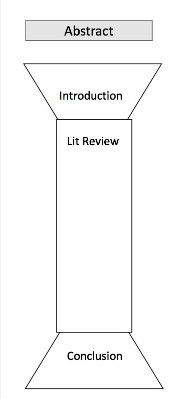
An abstract is a brief summary of a research paper, thesis, article, or other academic document. It provides a concise overview of the main points, objectives, methods, results, and conclusions of the document, allowing readers to quickly understand the content and significance of the work without having to read the entire text. Abstracts are commonly used in academic publishing to help readers determine the relevance and importance of a document to their interests or research.
They are typically placed at the beginning of the document and are often limited to a specific word count or length. The primary purpose of an abstract is to provide a clear and accurate representation of the document’s content, enabling readers to decide whether to read the full text based on the information provided in the abstract.
What is an Introduction

An introduction is the opening section of a written work, such as an essay, research paper, or book. Its purpose is to provide background information, context, and an overview of the content that follows. In academic writing, introductions often include a thesis statement or central argument, outlining the main points or objectives of the work. Additionally, introductions may preview the structure of the document, outlining the organization of the subsequent sections. The introduction serves to orient the reader to the topic, establish the significance of the work, and set the stage for the discussion or analysis that follows. It aims to capture the reader’s interest and provide a clear understanding of the purpose and scope of the written work.
Differences Between Abstracts and Introductions
Both abstracts and introductions serve as entry points to larger works, but they fulfill distinct roles and present information in different ways. To master the art of academic writing, understanding these differences is crucial. So, let’s embark on a journey of distinction!
Purpose:
Abstracts: Act as condensed snapshots of research papers, articles, or other academic works. They aim to quickly inform readers about the central theme, methodologies, key findings, and conclusions, piquing their interest to delve deeper into the full work.
Introductions: Serve as the opening paragraphs of larger pieces, setting the stage for the content to come. They provide background information, establish context, and introduce the main research question or thesis statement. The purpose is to guide readers through the work’s journey and prepare them for its key arguments and insights.
Length and Specificity:
Abstracts: Are extremely concise, typically ranging from 150-300 words. They omit detailed information and analysis, focusing solely on essential points.
Introductions: Have more flexibility in length, depending on the complexity of the work. They can span several paragraphs and may include specific examples, data points, or supporting evidence.
Structure and Information:
Abstracts: Often follow a structured format, outlining the purpose, methods, results, and conclusions (PICO format). They present information in a neutral and objective manner.
Introductions: Possess more narrative freedom, flowing logically to introduce the topic, establish context, and present the research question or thesis. They may incorporate relevant background information, historical context, or even current debates related to the subject matter.
Target Audience:
Abstracts: Primarily cater to academics and researchers with prior knowledge in the field. They aim to provide enough context for informed decisions about reading the full work.
Introductions: Can be designed for a wider audience, including those with limited prior knowledge. They aim to equip readers with the necessary understanding to engage meaningfully with the content.
Can an Abstract Be Used as an Introduction?
While it is possible to use elements of an abstract in an introduction, they are not interchangeable. An abstract is designed to stand alone and provide a summary of the document, while an introduction serves to set the stage for the discussion or analysis that follows. Therefore, while an abstract may provide some useful information that can be included in an introduction, they are distinct sections of a written work and serve different purposes.
FAQs
Q: Are abstracts and introductions basically the same thing?
- A: Not quite! While both offer glimpses into a larger work, they function differently. Think of an abstract as a movie trailer that summarizes the key points, and an introduction as the opening scene that sets the stage and introduces the main storyline.
Q: How long should my abstract be compared to my introduction?
- A: Abstracts are super short, usually 150-300 words. Introductions can be longer, spanning several paragraphs depending on the work’s complexity.
Q: Do they both use the same language?
- A: Abstracts stick to neutral and objective language, focusing on facts and avoiding opinions. Introductions can have more flexibility, potentially including engaging examples and even your own perspective.
Q: Who are they written for?
- A: Abstracts target fellow researchers or academics familiar with the subject. Introductions can be for anyone, even those with no prior knowledge, needing context to understand the main ideas.
Q: When should I use an abstract versus an introduction?
- A: Use an abstract if you’re writing a research paper or academic work. Use an introduction when starting a larger piece like an essay or book chapter.
Q: Can I turn an abstract into an introduction, or vice versa?
- A: Not easily. Abstracts are too concise, while introductions are more detailed and narrative. However, you might use some abstract ideas in your introduction, and vice versa.
Q: Anything else to keep in mind?
- A: Always check the specific requirements of your project or publication. They might have specific guidelines for abstracts and introductions.