


Introduction
Hindsight bias, also known as the “I-knew-it-all-along” effect, is a cognitive bias that distorts individuals’ perceptions of past events, making outcomes appear more predictable after they have occurred. This bias, prevalent in various domains of human cognition, influences how people evaluate their own foresight and decision-making abilities. Understanding the mechanisms, implications, and potential mitigating strategies of hindsight bias is essential for comprehending human cognition and improving decision-making processes across diverse contexts.
Defining Hindsight Bias
Hindsight bias refers to the tendency for individuals to overestimate their ability to predict past events accurately, once the outcome is known. In other words, people often believe that they knew the outcome of a situation all along, despite lacking sufficient foresight or information at the time of the event. This bias can lead individuals to perceive past events as more predictable or inevitable than they actually were, influencing their judgments, evaluations, and decision-making processes.
Understanding the Mechanisms of Hindsight Bias
The mechanisms underlying hindsight bias stem from cognitive processes related to memory reconstruction, attribution, and the desire for a coherent narrative of events. Several psychological theories and frameworks offer insights into the cognitive mechanisms that contribute to hindsight bias:
Memory Reconstruction
Memory reconstruction plays a crucial role in hindsight bias, as individuals tend to reinterpret past events based on their knowledge of the outcome. When recalling past events, people may unconsciously adjust their memories to align with the known outcome, leading to a distorted perception of their initial beliefs or predictions.
Attribution Processes
Attribution processes influence how individuals assign causality and responsibility for past outcomes. Once the outcome is known, people may attribute greater significance to factors that appear to have contributed to the outcome, while downplaying or ignoring other relevant factors that were less salient at the time.
Coherence Seeking
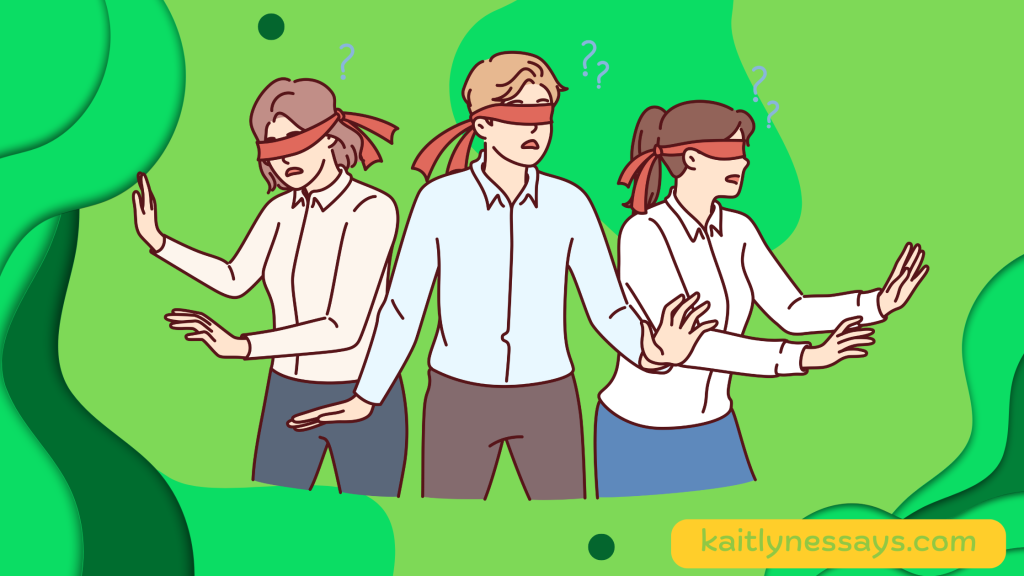
Humans have a natural tendency to seek coherence and meaning in their experiences and narratives. When faced with ambiguous or uncertain events, individuals may retrospectively construct a coherent storyline that emphasizes the inevitability of the outcome, thereby reinforcing hindsight bias.
Cognitive Dissonance Reduction
Hindsight bias can also serve a psychological function by reducing cognitive dissonance—the discomfort associated with holding contradictory beliefs or perceptions. By retroactively perceiving past events as more predictable, individuals can reconcile inconsistencies between their initial beliefs and the actual outcome, thereby alleviating cognitive dissonance.
Implications of Hindsight Bias
Hindsight bias has far-reaching implications for various domains of human cognition, decision-making, and behavior. By distorting perceptions of past events, this bias can influence individuals’ judgments, evaluations, and future decision-making processes in the following ways:
Evaluation of Decision-Making
Hindsight bias can lead individuals to unfairly judge past decisions based on their knowledge of the outcome, rather than considering the information available at the time of the decision. This retrospective distortion can affect how individuals assess their own decision-making abilities and can undermine confidence in future decisions.
Legal and Judicial Proceedings
In legal and judicial contexts, hindsight bias can influence jurors’ perceptions of negligence, culpability, and the foreseeability of events. Jurors may erroneously conclude that a defendant should have anticipated and prevented a harmful outcome, leading to unjust verdicts or decisions.
Historical Interpretation
Hindsight bias can shape historical interpretation by influencing how events are portrayed and understood in retrospect. Historians and analysts may inadvertently apply present knowledge and perspectives to past events, leading to biased interpretations and narratives that overlook the complexities and uncertainties of historical contexts.
Learning and Education
Hindsight bias can hinder effective learning and education by fostering an illusion of understanding and inevitability regarding past events. Students may erroneously believe that historical outcomes were easily predictable, neglecting the nuances and uncertainties inherent in decision-making and historical processes.
Organizational Decision-Making
Within organizational settings, hindsight bias can affect strategic planning, risk management, and performance evaluation. Leaders and managers may retrospectively criticize decisions based on their outcomes, overlooking the inherent uncertainty and ambiguity that accompanied the decision-making process.
Mitigating the Effects of Hindsight Bias
While hindsight bias is a pervasive cognitive phenomenon, strategies can be employed to mitigate its effects and improve decision-making processes across diverse domains. These strategies involve increasing awareness of bias, promoting critical thinking skills, and implementing decision-making frameworks that emphasize reflection and foresight. Some approaches to mitigating hindsight bias include:
Counterfactual Thinking
Encouraging individuals to engage in counterfactual thinking—considering alternative outcomes that could have occurred—can help mitigate hindsight bias by fostering a more nuanced understanding of decision-making processes. By reflecting on alternative scenarios, individuals can recognize the uncertainties and complexities inherent in decision-making.
Perspective Taking

Encouraging individuals to adopt different perspectives and viewpoints can help mitigate hindsight bias by promoting empathy and understanding. By considering the perspectives of others involved in the decision-making process, individuals can gain insights into the contextual factors and constraints that influenced decisions at the time.
Decision Analysis
Implementing decision analysis techniques, such as scenario planning or probabilistic modeling, can help mitigate hindsight bias by emphasizing probabilistic thinking and uncertainty analysis. By quantifying uncertainties and exploring multiple possible outcomes, decision-makers can develop more robust strategies and anticipate potential pitfalls.
Post-Mortem Analysis
Conducting post-mortem analyses or “premortems” before decisions are made can help mitigate hindsight bias by anticipating potential failures and vulnerabilities. By systematically identifying and addressing potential risks and uncertainties upfront, decision-makers can reduce the likelihood of hindsight bias influencing retrospective evaluations.
Training and Education
Educating individuals about the phenomenon of hindsight bias and its implications can help increase awareness and promote critical thinking skills. Training programs that emphasize evidence-based decision-making, information literacy, and reflection can empower individuals to recognize and mitigate the effects of bias in their decision-making processes.
Conclusion
Hindsight bias represents a pervasive cognitive phenomenon that distorts individuals’ perceptions of past events, making outcomes appear more predictable after they have occurred. This bias influences how people evaluate their own decision-making abilities, judgments, and behavior, with far-reaching implications for various domains of human cognition and decision-making. By understanding the mechanisms, implications, and potential mitigating strategies of hindsight bias, individuals and organizations can improve decision-making processes, foster critical thinking skills, and navigate uncertainty more effectively in an increasingly complex world. As we continue to unravel the intricacies of human cognition, addressing hindsight bias remains a critical endeavor in promoting rationality, foresight, and informed decision-making across diverse contexts.
Don’t let procrastination derail your academic goals. With our professional writing services, you can overcome writer’s block and tackle your assignments with confidence. Our experienced writers will work closely with you to understand your objectives and deliver customized solutions that exceed your expectations. Take the first step towards academic success by placing your order today and experience the difference our services can make.
FAQs
What is hindsight bias?
Hindsight bias, also known as the “I-knew-it-all-along” effect, refers to the tendency for individuals to perceive past events as having been more predictable than they actually were, once the outcome is known. This bias leads people to believe that they knew the outcome of a situation all along, even if they had no prior knowledge or could not have predicted the outcome accurately at the time of the event.
Why does hindsight bias occur?
Hindsight bias occurs due to cognitive processes related to memory reconstruction, attribution, and the desire for coherence in narratives. When recalling past events, individuals tend to adjust their memories to align with the known outcome, leading to a distorted perception of their initial beliefs or predictions.
How does hindsight bias affect decision-making?
Hindsight bias can influence decision-making by distorting perceptions of past decisions and outcomes. Individuals may unfairly judge past decisions based on their knowledge of the outcome, leading to overconfidence or self-doubt in future decision-making processes. In legal contexts, hindsight bias can influence jurors’ perceptions of negligence and culpability
Can hindsight bias be mitigated?
While hindsight bias is a pervasive cognitive phenomenon, there are strategies to mitigate its effects. These include engaging in counterfactual thinking, adopting different perspectives, implementing decision analysis techniques, conducting post-mortem analyses, and providing education and training on the phenomenon of bias.
What are some examples of hindsight bias?
An example of hindsight bias is when individuals believe they could have predicted the outcome of a sporting event or stock market fluctuation after the result is known, despite lacking sufficient foresight at the time. In legal contexts, jurors may perceive a defendant’s actions as more foreseeable and negligent in hindsight, even if the circumstances were uncertain at the time.
How does hindsight bias impact historical interpretation?
Hindsight bias can shape historical interpretation by influencing how events are portrayed and understood in retrospect. Historians and analysts may apply present knowledge and perspectives to past events, leading to biased interpretations and narratives that overlook the complexities and uncertainties of historical contexts.
Does everyone experience hindsight bias equally?
While hindsight bias is a common cognitive phenomenon, individuals may experience it to varying degrees depending on factors such as cognitive ability, awareness of bias, and contextual factors. However, everyone is susceptible to hindsight bias to some extent.
How does hindsight bias affect organizational decision-making?
Hindsight bias can affect organizational decision-making by influencing how leaders and managers evaluate past decisions and performance. Leaders may retrospectively criticize decisions based on their outcomes, overlooking the uncertainties and constraints that influenced the decision-making process.
Is hindsight bias always negative?
While hindsight bias can lead to errors in judgment and decision-making, it can also serve a psychological function by reducing cognitive dissonance—the discomfort associated with holding contradictory beliefs. However, it is essential to recognize and mitigate the effects of bias when they lead to suboptimal outcomes.
What strategies can individuals and organizations use to address hindsight bias?
Strategies for addressing hindsight bias include engaging in counterfactual thinking, adopting different perspectives, implementing decision analysis techniques, conducting post-mortem analyses, and providing education and training on bias awareness and critical thinking skills. By implementing these strategies, individuals and organizations can improve decision-making processes and navigate uncertainty more effectively.