


“My Hero Academia” (Boku no Hero Academia), a popular manga and anime series created by Kōhei Horikoshi, has garnered worldwide attention since its debut in 2014. Its allure stems not only from its captivating storytelling and vivid character development but also from the unique setting and premise of its universe. The series takes place in a world where approximately 80% of the population possesses superhuman abilities known as “Quirks,” and institutions like hero academies train young individuals to become professional heroes. These elements combine to create a vibrant, action-packed narrative that explores complex social issues while maintaining an exhilarating, often humorous tone.
Setting and Premise
A Superhuman Society: The Prevalence of Quirks
The most defining feature of the “My Hero Academia” universe is its superhuman society, in which 80% of the population has a Quirk. Quirks, ranging from simple enhancements to god-like powers, have dramatically changed the world’s social fabric, economy, and power structures. The world depicted in “My Hero Academia” reflects how humanity has adapted to a new normal where superpowers are not only accepted but are also regulated, controlled, and, to a certain extent, commodified.
Quirks vary widely in their abilities, from the seemingly mundane (like the power to change hair color at will) to the immensely powerful (such as controlling fire or manipulating gravity). The diversity of Quirks is a cornerstone of the series, providing endless opportunities for creativity in both character design and plot development. However, Quirks also symbolize diversity in real-world societies, where individuals are born with distinct talents and limitations, and are subsequently judged, valued, or marginalized based on these characteristics.
The presence of Quirks has necessitated the establishment of a hero system, where select individuals are licensed and trained to maintain public order. This system essentially replaces traditional law enforcement and military functions, with professional heroes serving as a combination of public servants, celebrities, and peacekeepers. The prevalence of Quirks also has a significant impact on society’s structure, as the existence of superhuman abilities forces the world to reconsider issues such as justice, law, and public safety. As much as Quirks provide opportunities for heroism, they also present risks, as the misuse of these abilities can lead to chaos, crime, and destruction.
The Role of Hero Academies
In a world dominated by superhuman abilities, not everyone with a Quirk can become a hero. Heroism, in this society, is not just about having power—it requires discipline, training, and a deep understanding of ethics and responsibility. This is where the hero academies come into play. The most prominent of these institutions in “My Hero Academia” is U.A. High School, a prestigious academy that trains the next generation of professional heroes.
U.A. High School, like other hero academies, serves multiple purposes. Primarily, it functions as an educational institution that teaches students how to use their Quirks effectively and responsibly. This is crucial, as the misuse of a Quirk could result in unintended harm or, in some cases, even legal repercussions. The academy’s curriculum includes a blend of practical combat training, academic courses, and moral education. Students are not only taught how to fight villains but also how to interact with the media, maintain public relations, and uphold the hero image.
Beyond the physical and technical training, hero academies also serve as a crucible for personal development. Young students, many of whom are still coming to terms with their Quirks and the responsibilities they entail, are challenged to grow emotionally, psychologically, and morally. They must confront their fears, grapple with the weight of expectation, and learn to work with others in high-pressure situations. This personal growth is often more difficult than the physical training they undergo, as it forces them to question their motivations for becoming heroes and to confront the darker aspects of their own personalities and the society they live in.
The concept of hero academies also touches on the theme of meritocracy. The students who attend these academies, particularly U.A., are often portrayed as the elite—the best of the best. However, the series challenges the idea of meritocracy by showing that natural talent (or powerful Quirks) alone does not guarantee success. Characters like Izuku Midoriya, who was born Quirkless, demonstrate that determination, intelligence, and a strong moral compass are equally important traits for a hero. Conversely, characters with strong Quirks but flawed moral compasses are often portrayed as anti-heroes or even villains, further complicating the notion of meritocracy.
The Social Implications of Quirks
In the world of “My Hero Academia,” Quirks are more than just superpowers; they are a reflection of societal hierarchy, discrimination, and privilege. While 80% of the population has a Quirk, the strength and usefulness of these abilities vary greatly, creating a stratified society where certain individuals are revered or marginalized based on their Quirks.
For instance, powerful Quirks are often seen as a ticket to fame, fortune, and hero status, while individuals with weaker or less useful Quirks may struggle to find their place in society. This mirrors real-world issues of privilege and inequality, where individuals are often judged based on characteristics beyond their control, such as wealth, race, or social status. The discrimination faced by those with “undesirable” Quirks or those born Quirkless, like Midoriya, highlights how society places value on certain traits and abilities over others.
Moreover, the presence of Quirks has led to the creation of villainous groups that reject the hero system and society’s rigid structures. Characters like Tomura Shigaraki and the League of Villains represent the darker side of this superhuman world, where individuals who feel ostracized or oppressed by society’s expectations turn to villainy as a means of rebellion. This underscores the series’ exploration of societal structures and the consequences of inequality, as the villains are often not inherently evil but rather products of a flawed system.
The conflict between heroes and villains in “My Hero Academia” thus becomes not just a battle of good versus evil but also a commentary on societal values, justice, and the consequences of unchecked power. The villains, in many ways, represent the underbelly of a society that idolizes power and heroism without fully addressing the systemic issues that lead to crime and rebellion.
Heroism and the Media
One of the most interesting aspects of the hero system in “My Hero Academia” is its intersection with celebrity culture. Professional heroes in this world are not just public servants; they are also public figures, akin to modern-day celebrities. Heroes have rankings, fan followings, and media personas that they must maintain in addition to their crime-fighting duties. This blend of heroism and celebrity culture creates an environment where being a hero is as much about maintaining an image as it is about protecting society.
Heroes like All Might, the “Symbol of Peace,” are not only revered for their ability to defeat villains but also for the hope and inspiration they bring to the public. All Might’s larger-than-life persona is carefully curated to maintain public morale, even as his physical condition deteriorates. This highlights the performative aspect of heroism in this society, where heroes must balance genuine altruism with the need to project strength and confidence to the public.
On the flip side, the media’s portrayal of heroes can also be manipulative, focusing more on popularity and marketability than on the actual deeds of a hero. This can lead to heroes who prioritize their public image over their duty, as seen with characters like Endeavor, who initially seeks to surpass All Might’s fame and recognition rather than focusing on the deeper meaning of heroism.
The relationship between heroes and the media in “My Hero Academia” offers a critique of modern-day celebrity culture, where individuals are often elevated to heroic status based on charisma and public image rather than their actual contributions to society. This adds another layer of complexity to the series’ exploration of heroism, as it forces characters to navigate the often conflicting demands of being both a public figure and a protector of society.
Quirk Inheritance and Family Dynamics
Another important aspect of the “My Hero Academia” world is the concept of Quirk inheritance. Quirks are passed down genetically, meaning that children often inherit a combination of their parents’ abilities or a variation of them. This introduces a new dynamic into family relationships, as parents often project their own hopes, fears, and expectations onto their children based on the Quirks they inherit.
For example, the Todoroki family provides a poignant exploration of the pressures that come with Quirk inheritance. Shoto Todoroki, a student at U.A., is the product of his father Endeavor’s obsession with surpassing All Might. Endeavor arranged a “Quirk marriage” with Shoto’s mother to create a child with a powerful combination of fire and ice abilities. This pressure to live up to his father’s expectations weighs heavily on Shoto, leading to internal conflict and a strained family relationship.
This theme resonates with real-world issues of generational trauma, parental expectations, and the desire to forge one’s own identity separate from familial pressures. Quirk inheritance, in this sense, becomes a metaphor for the weight of family legacies and the challenges of breaking free from the expectations of others.
My Hero Academia: Main Characters
Izuku Midoriya (Deku)
Character Overview: Izuku Midoriya, often referred to by his nickname “Deku,” is the central protagonist of “My Hero Academia.” Initially born Quirkless in a world where almost everyone possesses superpowers, Midoriya idolizes heroes, particularly the world’s greatest hero, All Might. Despite lacking a Quirk, he remains determined to become a hero, embodying the series’ message of perseverance, bravery, and self-sacrifice.
Inherits One For All: Midoriya’s life changes when All Might, impressed by his courage and heroic spirit, chooses him as the next successor for the powerful Quirk “One For All.” This Quirk is a unique ability passed down through generations, granting immense strength and the ability to stockpile power. For Midoriya, inheriting One For All is both a blessing and a burden, as he must live up to the legacy of All Might while learning to control the overwhelming strength of the Quirk.
Character Development: Midoriya’s journey is a classic coming-of-age narrative. He starts as a timid, self-doubting boy but gradually grows into a confident and capable hero. His relentless work ethic and empathy for others drive him to surpass his limitations. One of his most notable quotes, “It’s not bad to dream. But you also have to consider what’s realistic,” reflects his pragmatic yet hopeful approach to heroism. Throughout the series, he learns to balance his ideals with the harsh realities of a world filled with dangerous villains and moral ambiguity.
Key Relationships: Midoriya’s relationships with other characters play a significant role in his development. His rivalry with Katsuki Bakugo pushes him to grow stronger, while his friendship with Ochaco Uraraka, Tenya Iida, and other classmates provides emotional support. His bond with All Might is especially important, as he views the former Symbol of Peace as both a mentor and a father figure.
Katsuki Bakugo
Character Overview: Katsuki Bakugo, Midoriya’s childhood friend and rival, is one of the most complex characters in “My Hero Academia.” Known for his explosive Quirk and aggressive personality, Bakugo initially comes across as arrogant, hot-headed, and dismissive of others. However, as the series progresses, it becomes clear that his character is driven by deep insecurities and a fierce desire to be the best hero.
Explosive Quirk and Personality: Bakugo’s Quirk, aptly named “Explosion,” allows him to create powerful blasts from the sweat on his palms. His explosive abilities mirror his volatile personality, making him a formidable fighter but also someone who struggles with controlling his emotions. From a young age, Bakugo was praised for his Quirk and natural talent, which fueled his arrogance and led him to look down on others, especially Midoriya, whom he nicknamed “Deku” as a derogatory term.
Rivalry with Midoriya: Bakugo’s relationship with Midoriya is one of the most central dynamics in the series. Although they were childhood friends, Bakugo’s superiority complex made him see Midoriya as weak and unworthy, especially since Midoriya was Quirkless. However, when Midoriya inherits One For All and begins to grow stronger, Bakugo is forced to confront his own feelings of inadequacy. This rivalry pushes both characters to grow, with Bakugo eventually recognizing Midoriya as a worthy opponent and friend.
Character Growth: Bakugo’s character development is one of the most profound in the series. Beneath his abrasive exterior is a person who deeply respects heroism and strives to be the best hero possible. Over time, Bakugo learns to control his temper, acknowledges his flaws, and becomes more self-reflective. His rivalry with Midoriya evolves into a mutual respect, and he begins to understand that being a hero is not just about strength but also about protecting and helping others.
Ochaco Uraraka
Character Overview: Ochaco Uraraka is one of Midoriya’s closest friends and a key member of Class 1-A. Her Quirk, “Zero Gravity,” allows her to manipulate gravity, making objects (and herself) weightless. Ochaco’s bubbly and cheerful personality contrasts with her serious determination to become a hero, largely motivated by her desire to support her family financially.
Quote: “If you feel like you’re about to cry, that’s proof that you’re working hard!” This quote encapsulates Ochaco’s positive outlook on life and her unwavering commitment to improving herself. Despite facing challenges, she remains optimistic and encourages those around her to persevere.
Motivation and Character Development: Ochaco’s motivation for becoming a hero is grounded in her desire to provide for her family, who struggle with financial hardships. Her goal of becoming a pro hero, therefore, stems from a deep sense of responsibility and love for her parents. Over time, Ochaco’s character evolves, and she realizes that heroism is not just about money but about saving lives and making a difference.
Her growing feelings for Midoriya also add complexity to her character arc. While she admires his strength and determination, she struggles to reconcile her personal emotions with her desire to remain focused on her goal of becoming a professional hero. This internal conflict adds depth to her character, highlighting the personal sacrifices that come with heroism.
Shoto Todoroki
Character Overview: Shoto Todoroki, the son of the number two hero, Endeavor, is one of the most powerful students in Class 1-A, thanks to his “Half-Cold, Half-Hot” Quirk. His Quirk allows him to generate ice from his right side and fire from his left, making him a versatile and formidable fighter. However, his personal struggles with his family, particularly his father, define much of his character arc.
Todoroki’s Backstory and Conflict: Todoroki’s childhood was shaped by his father’s obsession with surpassing All Might, which led Endeavor to train Shoto ruthlessly from a young age. Endeavor’s abusive treatment of his family caused Shoto to resent his fire abilities, as they were a symbol of his father’s ambition. For much of the series, Todoroki refuses to use the fire side of his Quirk, symbolizing his rejection of his father’s influence.
Character Development: Todoroki’s character development centers on his internal conflict between rejecting and accepting his heritage. His turning point comes during his battle with Midoriya in the U.A. Sports Festival, where Midoriya encourages him to embrace both sides of his Quirk. This moment leads Todoroki to realize that his powers do not define him or his father, and he begins to use his fire abilities without resentment.
His strained relationship with Endeavor continues to be a major theme, as Todoroki grapples with his father’s attempts at redemption. Despite their troubled past, Todoroki slowly opens up to the possibility of reconciliation, though he remains wary of Endeavor’s intentions.
Tsuyu Asui
Character Overview: Tsuyu Asui, often referred to as “Tsu” by her friends, is a straightforward, level-headed member of Class 1-A. Her Quirk, “Frog,” gives her abilities similar to those of a frog, such as enhanced jumping, wall-climbing, and the ability to secrete toxic mucus.
Personality and Role: Tsuyu’s calm and collected personality makes her a stabilizing presence among her more impulsive classmates. She often speaks bluntly and without hesitation, which sometimes leads to humorous interactions. Despite her quirky nature, Tsuyu is highly intelligent and strategic, making her a valuable asset during battles and rescue operations.
Character Relationships: Tsuyu has a close relationship with her classmates, particularly Ochaco Uraraka and Midoriya. She is supportive and empathetic, often providing comfort to her friends when they are feeling down. Her straightforwardness also means that she is not afraid to call out others when they are wrong, as seen when she criticizes her classmates for reckless behavior during the Stain incident.
Eijiro Kirishima
Character Overview: Eijiro Kirishima is a boisterous and energetic member of Class 1-A, known for his “Hardening” Quirk, which allows him to harden his body to withstand attacks. His Quirk reflects his personality, as Kirishima is known for his unwavering courage, loyalty, and sense of chivalry.
Traditional Masculinity and Chivalry: Kirishima embodies the traditional ideals of masculinity, valuing bravery, toughness, and honor. He often expresses admiration for heroes who display strength and endurance, such as the pro hero Red Riot, whom he idolizes and models his hero persona after. Kirishima’s chivalrous nature also extends to his treatment of women, as he believes in protecting and respecting them.
Character Development: Throughout the series, Kirishima struggles with self-doubt, particularly when he feels that his Quirk is not as flashy or powerful as others. His inferiority complex is explored during the Shie Hassaikai arc, where he proves his bravery and worth by standing up to formidable villains despite his fears. Kirishima’s journey of self-acceptance and confidence is one of the more subtle but impactful character arcs in “My Hero Academia.”
Momo Yaoyorozu
Character Overview: Momo Yaoyorozu, one of the top students in Class 1-A, possesses the “Creation” Quirk, which allows her to create objects from her body by converting her body’s fat cells into different materials. Momo is known for her intelligence, strategic thinking, and leadership abilities.
Intelligence and Strategy: Momo’s Quirk requires a deep understanding of chemistry and physics, as she must know the molecular structure of the objects she creates. This necessity for knowledge reflects Momo’s academic brilliance, as she often devises complex strategies and plans during combat situations. Despite her intelligence, Momo struggles with confidence, particularly when her plans do not succeed as expected.
Leadership and Growth: Momo’s leadership potential is evident from the beginning of the series, but her lack of confidence sometimes hinders her decision-making abilities. Over time, she learns to trust her instincts and believe in her abilities as both a hero and a leader. Her growth is showcased during the Final Exams arc, where she devises a successful plan to defeat Aizawa, one of the toughest teachers at U.A.
Toru Hagakure (Invisible Girl)
Character Overview: Toru Hagakure, also known as the “Invisible Girl,” has the Quirk of invisibility, which renders her completely invisible to the naked eye. While her Quirk may seem simple compared to some of her classmates, Toru’s cheerful and outgoing personality makes her a beloved member of Class 1-A.
Quirk and Personality: Toru’s invisibility is both her strength and weakness. While it allows her to perform reconnaissance and stealth missions effectively, it also means that she lacks offensive power compared to her peers. Despite this, Toru remains upbeat and optimistic, often bringing lightheartedness to tense situations.
Role in the Story: Though Toru is not one of the main characters, her presence adds to the diversity of the ensemble cast. Her cheerful disposition and ability to see the bright side of any situation make her a supportive friend and classmate, contributing to the overall dynamic of Class 1-A.
Notable Supporting Characters
Midnight: The R-Rated Hero
Character Overview
Midnight, whose real name is Nemuri Kayama, is a pro hero and a faculty member at U.A. High School, where she teaches Modern Hero Art History. Her pro hero name, “R-Rated Hero,” alludes to her flamboyant and provocative personality, which often borders on risqué. Despite this, she is a competent and formidable hero who commands respect both as a teacher and as a protector of the peace.
Midnight’s Quirk is called Somnambulist, which allows her to put people to sleep by emitting a sleep-inducing aroma from her body. This Quirk is particularly effective against male opponents, making her a dangerous adversary in combat. In addition to her Quirk, Midnight is skilled in hand-to-hand combat and uses a whip as a weapon to subdue enemies.
Role in U.A. and Hero Society
As a teacher at U.A. High School, Midnight plays a crucial role in shaping the next generation of heroes. She is one of the examiners during the U.A. entrance exam and participates in various training sessions, including the Sports Festival and the Provisional Hero License Exam. Midnight’s teaching style is direct, often emphasizing the practicalities of hero work and the importance of self-expression.
Despite her playful and at times inappropriate demeanor, Midnight deeply cares for her students and is committed to their growth and safety. This is evident in her concern for them during the Provisional Hero License Exam, as well as her willingness to fight to protect U.A. when villains attack.
Symbolism and Themes
Midnight’s character explores several themes, particularly around gender and the perception of femininity in the context of hero society. Her provocative appearance and behavior challenge the often rigid standards of propriety expected of heroes, especially female heroes. This is a recurring motif in My Hero Academia, where characters like Midnight and Mt. Lady (another female pro hero) are depicted as powerful women who do not shy away from using their physicality and appearance to their advantage, even in a society that sometimes views them through a sexualized lens.
Midnight’s costume and persona serve as a form of self-expression, a concept she tries to impart to her students. In the world of My Hero Academia, where costumes often reflect a hero’s identity, Midnight’s bold presentation is a reminder that heroes must embrace who they are—quirks, flaws, and all. This emphasis on individuality aligns with the series’ broader themes of self-acceptance and the importance of being true to oneself.
Midnight’s Death and Legacy
One of the most tragic and impactful moments in My Hero Academia occurs during the Paranormal Liberation War arc when Midnight is killed in action. While fighting against Gigantomachia, Midnight is critically injured and later attacked by a group of villains, ultimately succumbing to her wounds. Her death is a significant loss for the hero community and U.A. High School, where she was not only a beloved teacher but also a symbol of strength and resilience.
Midnight’s death serves as a sobering reminder of the dangers heroes face and the sacrifices they must make in their line of work. It also leaves a lasting emotional impact on her students, particularly Class 1-A, who must grapple with the harsh reality of hero life. Despite her death, Midnight’s legacy endures through her teachings and the lessons she imparted to the next generation of heroes.
Eri: The Girl with the Rewind Quirk
Character Overview
Eri is introduced during the Shie Hassaikai, or Overhaul, arc and quickly becomes a central figure in My Hero Academia. She is a young girl with a powerful but dangerous Quirk called Rewind, which allows her to reverse a person’s body to a previous state. This includes healing injuries, undoing physical changes, and even potentially reverting someone to a point before their existence.
Eri’s Quirk, however, is uncontrollable and can be deadly. Her inability to control Rewind leads to devastating consequences, which makes her both a victim and a target in the series. She was exploited by the villain Overhaul (Kai Chisaki), who sought to use her Quirk to create weapons that could erase Quirks from individuals.
The Overhaul Arc: Eri’s Struggles and Rescue
The Overhaul arc is one of the most emotional and intense storylines in My Hero Academia. Eri is introduced as a frightened and traumatized child, having been held captive and experimented on by Overhaul. Overhaul’s plan was to use Eri’s Rewind Quirk to produce bullets that could permanently erase the Quirks of heroes, which would give villains an enormous advantage in the ongoing battle between good and evil.
When Eri first encounters Izuku Midoriya (Deku) and Mirio Togata (Lemillion), she is too afraid to seek help, fearing the consequences of disobeying Overhaul. This moment highlights her deep trauma and the psychological manipulation she has endured. However, after a series of intense battles and efforts by the heroes to rescue her, Eri is finally saved by Deku during the climactic fight against Overhaul.
Eri and Deku: A Bond of Hope
Eri’s relationship with Deku is one of the most poignant aspects of the series. After her rescue, Eri is taken in by U.A. and placed under the care of the pro heroes. Deku, in particular, takes a special interest in her well-being, as he feels personally responsible for helping her heal from her traumatic experiences.
One of the key moments in Eri’s development comes during the U.A. School Festival arc, where Deku and the rest of Class 1-A organize a fun event to help her smile again. This arc shows the emotional recovery process Eri undergoes, moving from a state of fear and isolation to one of hope and belonging. Deku’s kindness and determination to protect Eri symbolize the core values of heroism in My Hero Academia: saving people not just physically but emotionally as well.
Eri’s Quirk and Its Potential
Eri’s Rewind Quirk is one of the most powerful abilities in the series, but its potential danger makes it a double-edged sword. After her rescue, the heroes at U.A. begin to train Eri to control her Quirk, though progress is slow. Eri’s power becomes a crucial element in the series, especially when it is revealed that she can use her ability to restore the physical state of people and objects, including healing injuries or even potentially undoing death.
The full extent of Eri’s Quirk has yet to be fully explored, but it is clear that her ability will play a significant role in the future of My Hero Academia. As she continues to learn how to control Rewind, Eri’s power could become a key factor in the ongoing struggle between heroes and villains, especially in moments of great crisis.
Themes of Innocence, Trauma, and Redemption
Eri’s character embodies several important themes in My Hero Academia, including innocence, trauma, and the possibility of redemption. As a young child, Eri represents the innocence that can be corrupted by the cruelty of the world, particularly through the actions of villains like Overhaul. Her experiences highlight the darker side of hero society, where individuals with powerful Quirks can be exploited for personal gain.
However, Eri also symbolizes hope and the possibility of overcoming trauma. Her journey from captivity and fear to safety and healing reflects the series’ broader theme of resilience in the face of adversity. Through the support of Deku, Mirio, and the heroes at U.A., Eri begins to recover and learn that she is not defined by her Quirk or her past.
Moreover, Eri’s story emphasizes the importance of kindness and empathy. The heroes’ decision to protect and care for Eri, rather than treat her as a dangerous weapon, underscores the values of compassion and understanding that are central to the hero profession. In this way, Eri’s redemption arc not only serves as a source of emotional resonance in the series but also reinforces the moral ideals that define true heroism.
My Hero Academia: Villains and Anti-Heroes
Tomura Shigaraki
Character Overview: Tomura Shigaraki, originally known as Tenko Shimura, is the leader of the League of Villains and one of the central antagonists of “My Hero Academia.” As the story progresses, he becomes a more prominent and dangerous threat to the hero society. His Quirk, “Decay,” allows him to disintegrate anything he touches, a power that mirrors the destructive chaos he seeks to unleash on the world.
Backstory and Motivation: Shigaraki’s descent into villainy is deeply tied to his tragic backstory. As a child, Tenko Shimura experienced a traumatic event where his Quirk manifested uncontrollably, leading to the accidental death of his entire family. This horrifying incident, coupled with his abandonment by society, left him emotionally shattered and resentful. Shigaraki’s hatred for the world that turned its back on him is central to his motivation as a villain. He views hero society as hypocritical, believing that the ideals it upholds are empty and that true freedom can only come through destruction.
Relationship with All for One: Shigaraki was taken in by All for One, the series’ overarching villain and the previous wielder of the “All for One” Quirk. Under All for One’s guidance, Shigaraki grew into the leader of the League of Villains, inheriting not only his mentor’s ambition but also his desire to overthrow the hero system. All for One acts as a twisted father figure to Shigaraki, nurturing his hatred and encouraging his destructive tendencies. This relationship is crucial to Shigaraki’s development as a character, as he gradually seeks to surpass his mentor and establish himself as the ultimate villain.
Character Development: Throughout the series, Shigaraki evolves from a reckless and impulsive villain into a more calculated and menacing force. His leadership of the League of Villains becomes more strategic, and his Decay Quirk grows increasingly powerful, allowing him to destroy entire city blocks with ease. This power surge reflects his internal transformation, as Shigaraki begins to embrace his role as a symbol of destruction. His desire to annihilate the hero society becomes more focused, and his quest for ultimate power leads him to seek the full capabilities of the “All for One” Quirk.
Shigaraki’s character arc raises important questions about the nature of evil and whether people like him are born villains or shaped by their circumstances. His tragic past invites sympathy, even as his actions make him a formidable and ruthless antagonist.
Himiko Toga
Character Overview: Himiko Toga is one of the most unpredictable and dangerous members of the League of Villains. With her seemingly sweet and innocent appearance, she contrasts sharply with her bloodthirsty and obsessive personality. Toga’s Quirk, “Transform,” allows her to shapeshift into anyone whose blood she consumes, making her an effective infiltrator and a lethal combatant.
Obsessive and Unstable Personality: Toga’s fascination with blood and her obsession with individuals she finds attractive, such as Izuku Midoriya and Ochaco Uraraka, define much of her character. Her mental instability is evident in her erratic behavior, as she frequently swings between childlike excitement and violent outbursts. Despite her outwardly cheerful demeanor, Toga is deeply disturbed, finding joy in the pain and suffering of others.
Her obsession with Midoriya and Uraraka is particularly notable, as she expresses admiration for both characters while also wanting to hurt and consume them. Toga’s warped view of love and affection drives her to seek intimacy through violence, a theme that highlights her emotional detachment from normal human relationships.
Backstory and Motivation: Toga’s backstory reveals that she has always been drawn to blood, even as a child. Her Quirk and her natural inclinations led to her being ostracized by society and her family. Toga’s inability to fit into the rigid moral framework of hero society resulted in her embracing her darker instincts. Like many members of the League of Villains, Toga’s villainy is a response to being rejected by a society that could not understand or accept her. Her desire to live freely, according to her own rules, mirrors the League of Villains’ broader goal of tearing down societal norms.
Character Development: Despite her psychopathic tendencies, Toga is not entirely devoid of emotional depth. Her interactions with other members of the League, particularly Twice, show that she is capable of forming genuine bonds, albeit in her own twisted way. Toga’s loyalty to her fellow villains is one of her defining traits, and she expresses sadness and anger when they are harmed or killed. This aspect of her character adds complexity, as she is not purely motivated by selfish desires but also seeks connection with those who, like her, have been cast out by society.
Toga’s transformation Quirk also allows her to explore her identity in unique ways. By taking on the appearance and abilities of others, she experiences life from different perspectives, further blurring the lines between hero and villain. Her ability to mimic Uraraka’s Zero Gravity Quirk during the Paranormal Liberation War arc is a significant moment, showcasing how her Quirk evolves alongside her growing understanding of her own desires and motivations.
Hawks (Keigo Takami)
Character Overview: Hawks, the number two pro hero, is a character who embodies the complex interplay between heroism and personal ambition. His Quirk, “Fierce Wings,” grants him large, powerful wings that allow him to fly and manipulate individual feathers as weapons. Hawks is known for his laid-back demeanor, quick wit, and exceptional skill as a hero. However, beneath his cool exterior lies a character with deeply conflicted motivations and a willingness to blur the lines between right and wrong.
Complex Motivations: As one of the top heroes, Hawks is tasked with more than just fighting villains—he is also a key player in the shadowy world of hero society’s politics. His involvement with the Hero Public Safety Commission reveals that he is willing to make morally questionable decisions for the greater good. This willingness to engage in espionage and manipulation sets Hawks apart from more traditional heroes like All Might or Midoriya, who adhere to a stricter code of morality.
Hawks’ most notable act of duplicity occurs when he infiltrates the Paranormal Liberation Front, pretending to align with the villains while secretly working as a double agent for the heroes. This dangerous mission showcases Hawks’ pragmatic approach to heroism. He understands that the fight against villainy requires more than just strength—it requires cunning and sacrifice, even if it means betraying the trust of those around him.
Character Development and Duality: Hawks’ dual role as both a hero and a spy creates a sense of internal conflict within him. He genuinely believes in the importance of maintaining peace and stability in society, but he is also disillusioned with the hero system’s flaws. His actions raise important questions about the nature of heroism: Is it acceptable to compromise one’s principles for the greater good? Hawks’ willingness to dirty his hands contrasts sharply with the idealism of characters like Midoriya, making him one of the series’ most morally ambiguous figures.
Despite his pragmatic approach, Hawks is not without a sense of guilt. His relationship with Twice, a member of the League of Villains, is particularly significant in this regard. Hawks befriends Twice during his undercover mission and sees the potential for redemption in him. However, when forced to kill Twice in the Paranormal Liberation War arc, Hawks expresses genuine sorrow, recognizing that the system he serves is imperfect and that not every villain is beyond saving.
Themes
The Nature of Heroism: What It Means to Be a True Hero
At the heart of “My Hero Academia” is the question of what it means to be a true hero. The series continually contrasts the superficial, fame-driven aspects of heroism with the deeper, more altruistic ideals that true heroes embody. While many professional heroes in the series are celebrated for their powers and public personas, Horikoshi’s narrative emphasizes that being a hero is not about glory or recognition, but about self-sacrifice, compassion, and the willingness to protect others, even at great personal cost.
The protagonist, Izuku Midoriya, embodies this ideal from the beginning. Born without a Quirk, Midoriya admires All Might, the Symbol of Peace, for his selflessness and bravery. Despite his lack of powers, Midoriya’s actions demonstrate the heart of a hero, as he instinctively rushes to help others, even when it means putting himself in danger. His journey throughout the series is one of learning to reconcile his personal limitations with his deep desire to protect and save others.
This theme is also explored through other characters, such as Bakugo, who begins the series equating heroism with strength and power, only to later realize that true heroism comes from the willingness to help others without expecting anything in return. Endeavor, another major character, also grapples with the true meaning of heroism, evolving from someone obsessed with surpassing All Might’s strength to a hero who must confront his own past mistakes and strive to protect society out of a genuine sense of duty.
“My Hero Academia” thus challenges the traditional notions of heroism, highlighting that the essence of being a true hero lies in the intent to do good, rather than simply displaying power or achieving personal glory.
Power and Responsibility
The theme of power and responsibility is central to the series, especially given the prevalence of Quirks in society. “With great power comes great responsibility” is a timeless message, and in “My Hero Academia,” it takes on new dimensions as characters learn to wield their Quirks for the greater good.
All Might’s mantra, “A hero always saves others with a smile,” reflects the idealized image of the hero, someone who bears the burden of power to protect society without letting it corrupt them. However, this responsibility is often heavy, as seen in the toll it takes on All Might himself. He suffers from the immense physical and emotional pressure of being the Symbol of Peace, the world’s strongest hero. His eventual decline represents the human cost of bearing such responsibility, showing that even heroes have limits.
Izuku Midoriya’s Quirk, “One for All,” is the literal embodiment of this theme. Passed down from generation to generation, One for All represents the accumulation of power and responsibility. Midoriya, who inherits the Quirk from All Might, must learn to control its overwhelming strength while also grappling with the responsibility of living up to the legacy of previous holders. The series emphasizes that power, no matter how strong, must be tempered with humility, wisdom, and a sense of duty.
The villains of the series, such as Tomura Shigaraki, offer a darker reflection of this theme. Shigaraki, who was neglected and manipulated, becomes the product of power wielded irresponsibly. His destructive Quirk, Decay, mirrors his inner turmoil and the chaos he brings to society. In contrast to Midoriya, who learns to harness his power for good, Shigaraki represents the dangers of power unchecked by responsibility or guidance.
Overcoming Adversity and Self-Doubt
A recurring theme in “My Hero Academia” is the struggle to overcome adversity and self-doubt. The series is filled with characters who must face their inner demons, insecurities, and external challenges to grow stronger, both physically and emotionally.
Izuku Midoriya’s story is the most prominent example of this. As a Quirkless child in a society where powers are the norm, Midoriya faces constant ridicule and doubts about his ability to become a hero. However, his unwavering determination and belief in the ideal of heroism drive him to push beyond his limitations. His journey is one of constant growth, as he learns to harness One for All, overcome his physical limitations, and gain confidence in his abilities.
Other characters, such as Shoto Todoroki, grapple with their own forms of adversity. Todoroki’s internal struggle stems from his traumatic upbringing, where his father, Endeavor, pushed him to become the strongest hero by any means necessary. Todoroki’s journey involves reconciling his hatred for his father with his desire to become a hero on his own terms. His eventual acceptance of his powers and heritage represents a victory over his internal conflict.
This theme also applies to the broader hero society, where individuals must rise above personal tragedies and societal expectations to become true heroes. In a world where villains seek to exploit weakness, the heroes must constantly overcome their self-doubt and fear to protect those who cannot protect themselves.
Legacy and the Impact of Previous Generations
Legacy plays a crucial role in the narrative of “My Hero Academia.” The series explores how the actions, decisions, and beliefs of previous generations impact the present and future. This theme is most evident in the relationship between All Might and Midoriya, as well as in the broader context of heroism and villainy.
All Might, as the former holder of One for All, passes down not only his Quirk but also his ideals and values to Midoriya. The burden of living up to All Might’s legacy weighs heavily on Midoriya, who must navigate his path while honoring the spirit of the Symbol of Peace. The theme of legacy is also seen in the connection between One for All and its counterpart, All for One, a Quirk passed down through the villainous lineage that opposes the heroes. The ongoing battle between these two legacies represents the larger struggle between good and evil in the series.
Similarly, the Todoroki family storyline reflects the impact of legacy within the context of personal relationships. Endeavor’s obsession with surpassing All Might drives him to push his family to the breaking point, leaving a lasting mark on his children, particularly Shoto. The series shows that while individuals may inherit the legacies of those who came before them, they also have the power to redefine their own futures.
Symbols
All Might’s Costume: Symbol of Peace and Justice
All Might’s costume is more than just a suit; it is a symbol of peace and justice, representing the ideals that society expects from its heroes. The bright, patriotic colors of red, white, and blue evoke a sense of hope, safety, and national pride. All Might, with his larger-than-life persona and unwavering smile, is the embodiment of the perfect hero who stands as a beacon of hope in times of crisis.
However, as the series progresses, All Might’s declining physical condition contrasts sharply with the idealized image his costume represents. This duality highlights the burden of being a symbol and the human fragility behind it. All Might’s retirement and the eventual passing of his mantle to Midoriya symbolize the changing of the guard and the evolution of heroism from one generation to the next.
U.A. High School: Hope and the Future of Heroism
U.A. High School, where the young heroes are trained, serves as a symbol of hope and the future of heroism. The school represents a space where students can develop their Quirks, but more importantly, their character, morals, and sense of responsibility. U.A. stands as a place where the next generation of heroes is nurtured, offering a safe environment for growth while preparing them for the challenges ahead.
Throughout the series, U.A. becomes a battleground for both heroism and villainy, with the school attacked multiple times by villains. Each attack further emphasizes the importance of the institution as a symbol of hope. U.A. embodies the belief that the future of society rests in the hands of those who are willing to protect it and uphold its values.
Hero Costumes: Personal Growth and Identity
The hero costumes worn by characters in “My Hero Academia” are deeply symbolic of their personal growth and identity. Each costume is tailored to enhance the individual’s Quirk, but it also reflects their personalities, values, and how they see themselves as heroes.
For example, Midoriya’s costume evolves throughout the series, mirroring his growth as a hero. Initially, his costume is a clumsy, amateurish design, reflecting his uncertainty and inexperience. As he gains more control over his Quirk and confidence in his abilities, his costume becomes more refined, symbolizing his development.
Other characters’ costumes, such as Bakugo’s explosive design or Todoroki’s ice-and-fire motif, also reflect their powers and personalities, serving as visual extensions of their character arcs.
Literary Devices
Coming-of-Age Narrative
“My Hero Academia” is, at its core, a coming-of-age story. The series follows Midoriya and his classmates as they navigate the challenges of adolescence, self-discovery, and hero training. Each student faces their personal struggles, from learning to control their Quirks to overcoming insecurities and finding their place in society. This coming-of-age journey is not just about gaining power; it’s about understanding what it means to be a hero and an adult in a world fraught with danger and moral complexity.
Ensemble Cast with Diverse Character Arcs
The series features an ensemble cast, each with their distinct Quirks, personalities, and backstories. While Midoriya is the central protagonist, the show gives significant attention to the development of side characters, allowing for multiple character arcs to unfold simultaneously. Characters like Uraraka, Iida, and Kirishima each undergo their growth, contributing to the richness of the narrative.
Flashbacks to Reveal Character Backstories
Flashbacks are frequently used in “My Hero Academia” to reveal character motivations and backstories. For example, Todoroki’s strained relationship with his father, Bakugo’s childhood interactions with Midoriya, and All Might’s history with One for All are all explored through flashbacks. These moments provide depth to the characters, explaining their current actions and struggles.
Foreshadowing of Future Conflicts and Character Development
Foreshadowing is a key device in the series, used to hint at future conflicts and character development. Subtle clues and references often foreshadow major events, such as the eventual confrontation between Midoriya and Shigaraki or the evolution of the relationship between All for One and One for All. This technique builds suspense and anticipation, keeping viewers engaged as they await the fulfillment of these narrative threads.
My Hero Academia: Manga and Anime Adaptation
My Hero Academia’s success has spawned a vast and continually expanding universe, including manga, anime adaptations, films, and spin-offs.
Manga: The Origin and Growth
The “My Hero Academia” manga, written and illustrated by Kohei Horikoshi, first appeared in Shueisha’s Weekly Shōnen Jump in July 2014. Since then, it has been serialized continuously, amassing over 30 volumes, with the storyline still ongoing. The manga’s success quickly cemented its place as one of the flagship series of Weekly Shōnen Jump, standing alongside legendary titles like One Piece, Naruto, and Bleach.
Horikoshi’s unique storytelling, combined with a world rich in superpowers (or “Quirks”), makes “My Hero Academia” a standout. The story explores a society where 80% of the population possesses Quirks, and being a hero is a legitimate profession. The manga’s world-building is intricate, focusing not only on the battles between heroes and villains but also on the societal structures that govern the hero world. Themes of power, responsibility, legacy, and the darker sides of heroism make “My Hero Academia” more than just an action-packed adventure.
Art and Style
Horikoshi’s art style is dynamic and expressive. His character designs emphasize the individuality of each hero and villain, visually reflecting their personalities and Quirks. His use of bold lines and dramatic shading enhances the action sequences, while the emotional depth of characters is captured in the subtleties of their expressions. The balance between fast-paced, high-octane fights and quiet, reflective moments gives the manga an engaging rhythm that keeps readers invested in both the characters and the overarching plot.
Ongoing Serialization
The serialization of the manga has allowed for slow, meticulous world-building, as Horikoshi explores different aspects of hero society. Starting with the journey of Izuku Midoriya (Deku), a Quirkless boy who inherits the powerful “One For All” Quirk, the manga takes readers through the various stages of Deku’s training at U.A. High School, alongside his classmates, to become professional heroes.
Each major arc in the manga examines critical aspects of heroism and villainy. For instance, the “Sports Festival” arc introduces the competition between students as they strive to prove their worth, while the “Overhaul” arc brings moral complexities to the forefront, with the introduction of the Yakuza-like group led by Overhaul (Kai Chisaki). As the story progresses, the stakes get higher, with darker themes coming into play during the “Meta Liberation Army” and “Paranormal Liberation War” arcs.
Horikoshi’s manga has also been praised for its strong character development, not just for the protagonists but for the entire ensemble cast. Each student in Class 1-A, and many of the villains, have well-defined backstories, motivations, and growth arcs. The balance between action and emotional depth has been a defining feature of the manga.
Anime Adaptation: Bringing the Manga to Life
The anime adaptation of “My Hero Academia” began airing in 2016, produced by Bones Studio, known for their work on other popular anime like Fullmetal Alchemist: Brotherhood and Mob Psycho 100. The anime closely follows the events of the manga, with each season adapting one or more major arcs. As of 2024, the anime has released six seasons, covering some of the most pivotal moments in the series.
Season 4: The Overhaul and School Festival Arcs
Season 4 of the anime is one of the most emotionally intense seasons, as it primarily covers the “Shie Hassaikai” (Overhaul) arc, followed by the lighter “School Festival” arc. The season explores the dark underworld of organized crime, with the introduction of Overhaul, the leader of a Yakuza group seeking to dismantle hero society through his twisted agenda.
One of the key characters introduced in this arc is Eri, a young girl with the immensely powerful “Rewind” Quirk, which allows her to reverse time on living beings. Overhaul uses her ability to create bullets that can erase a person’s Quirk, and rescuing her becomes the central mission of the arc. The stakes are incredibly high, as Midoriya, Mirio (another student with the powerful “Permeation” Quirk), and several professional heroes must fight to save Eri and stop Overhaul’s plan.
- Emotional Depth: The Overhaul arc emphasizes the emotional trauma faced by both heroes and villains. Eri’s suffering at the hands of Overhaul becomes a catalyst for Midoriya and Mirio’s growth, as they grapple with their responsibilities as future heroes. The arc’s climactic battle between Midoriya and Overhaul is one of the most visually spectacular in the series, showcasing the full extent of Midoriya’s “One For All” Quirk.
- Mirio’s Sacrifice: One of the most poignant moments in the arc is Mirio losing his Quirk to protect Eri. This moment highlights the theme of self-sacrifice, a recurring motif in “My Hero Academia.” Despite losing his powers, Mirio remains determined to continue his path as a hero, inspiring others to push beyond their limits.
After the intensity of the Overhaul arc, the “School Festival” arc provides a much-needed breather, focusing on the students’ preparation for a cultural festival. This arc introduces gentle character moments, including a touching subplot involving the reclusive villain Gentle Criminal, whose motivations for villainy are rooted in personal failure rather than malice. The lighter tone of the School Festival arc allows for character development, particularly for Jiro Kyoka, who shines during the school’s musical performance.
Season 5: Joint Training and Meta Liberation Army Arcs
Season 5 of the anime adapts two major arcs: the “Joint Training” arc and the “Meta Liberation Army” arc, both of which explore the growth of the students of Class 1-A and their development into potential heroes.
- Joint Training Arc: The “Joint Training” arc is a classic shōnen trope, pitting Class 1-A against their rivals in Class 1-B in a series of mock battles. This arc showcases the growth of each student’s Quirks and combat abilities, while also emphasizing teamwork and strategy. The arc is notable for Shinsou Hitoshi’s return, a fan-favorite character with a “Brainwashing” Quirk, as he seeks to prove his worth and transfer into the hero course.
The battles between the two classes provide a platform for secondary characters to shine, giving characters like Fumikage Tokoyami (Dark Shadow) and Momo Yaoyorozu significant moments of growth. It also builds tension between Midoriya and his peers, as his “One For All” Quirk begins to reveal new, previously unknown abilities.
- Meta Liberation Army Arc: This arc shifts the focus away from the students and onto the villains, particularly the League of Villains, led by Tomura Shigaraki. The Meta Liberation Army, a powerful group led by Re-Destro, seeks to overthrow the hero society and establish a new order where people are free to use their Quirks without restriction. This arc is crucial in developing Shigaraki’s character, as he is forced to confront his past and evolve into a more formidable leader.
One of the most significant moments in this arc is Shigaraki’s battle with Re-Destro, during which Shigaraki’s Decay Quirk evolves, granting him the power to destroy entire cities. This battle marks a turning point for the League of Villains, as they absorb the Meta Liberation Army and become the “Paranormal Liberation Front,” setting the stage for the series’ future conflicts.
Season 6: Paranormal Liberation War Arc
Season 6 of the anime adapts the “Paranormal Liberation War” arc, one of the most climactic and pivotal moments in “My Hero Academia.” This arc brings together the heroes and villains in an all-out war, with major consequences for both sides.
- High Stakes and Tragedy: The Paranormal Liberation War arc raises the stakes significantly, with multiple character deaths, the destruction of entire cities, and a significant shift in the balance of power between heroes and villains. Shigaraki’s full power as the wielder of the “All For One” Quirk is unleashed, making him nearly unstoppable. The heroes, including pro-heroes like Endeavor, Hawks, and the students of U.A., must confront Shigaraki and his forces in a desperate battle to prevent the complete collapse of hero society.
- Character Development: One of the most significant developments in this arc is the revelation of Dabi’s true identity as Toya Todoroki, the long-lost son of Endeavor. This revelation not only shatters Endeavor’s already fragile emotional state but also has massive implications for the Todoroki family and the future of the hero world. The arc also sees significant growth for characters like Midoriya, Bakugo, and Shoto Todoroki, as they are forced to confront the realities of being heroes in a world on the brink of collapse.
- Consequences: The aftermath of the war leaves the hero society in shambles. Many pro-heroes are killed or injured, and public trust in heroes is at an all-time low. This arc sets the stage for the next phase of the story, where the lines between heroes and villains blur even further, and society must grapple with the consequences of its reliance on heroes.
Expanded Universe
As one of the most successful modern shōnen series, My Hero Academia has built a rich and expansive universe that extends far beyond the original manga and anime. With its blend of compelling characters, intricate storytelling, and themes of heroism and society, it has naturally given rise to a broader franchise. Two significant components of this expanded universe are My Hero Academia: Vigilantes, a spin-off manga series, and My Hero Academia: World Heroes’ Mission, the third animated film in the franchise. These works expand the core themes and settings of My Hero Academia, offering fans more diverse perspectives on heroism and the complex world Kohei Horikoshi created.
My Hero Academia: Vigilantes – The Shadow Side of Heroism
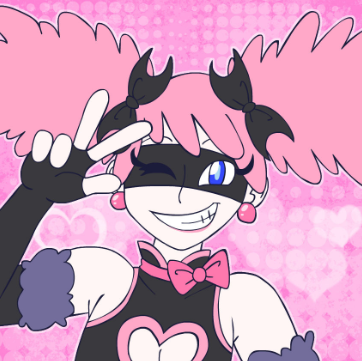
“My Hero Academia: Vigilantes” (Boku no Hīrō Akademia Iyaru Ijīransu) is a spin-off manga that provides a darker, more grounded look at the world of heroes. Written by Hideyuki Furuhashi and illustrated by Betten Court, the series first debuted in 2016 and quickly captured the attention of fans of the original work. Set in the same universe as My Hero Academia, Vigilantes explores a part of hero society that is typically overlooked: those who operate outside the law.
While My Hero Academia focuses on the structured world of professional heroes and students training to join that elite rank, Vigilantes centers on the concept of heroism as a more spontaneous, often dangerous endeavor for individuals who either lack official hero licenses or choose not to operate within the legal framework.
Plot and Premise
The story of Vigilantes takes place a few years before the events of the main series. It focuses on a group of vigilante heroes who, for various reasons, operate without the approval of the Hero Public Safety Commission. The protagonist, Koichi Haimawari, initially leads a quiet life until he gains the ability to slide across surfaces using his Quirk, called “Slide and Glide.” Though his Quirk is unimpressive compared to the powerful abilities of pro-heroes, Koichi uses it to help people in small, everyday ways. However, his life changes when he is drawn into the world of vigilantes, encountering Knuckleduster, a former pro hero, and Pop Step, a charismatic idol who performs stunts using her Quirk.
As they operate outside the law, the vigilantes face numerous challenges, from dealing with petty criminals to uncovering larger conspiracies that even the professional heroes are unaware of. The story takes a more street-level approach compared to the epic battles of the main series, offering a fresh perspective on heroism.
Themes of Vigilantes
The themes in My Hero Academia: Vigilantes expand on the ideas of heroism presented in the original series but add layers of moral ambiguity. The central question the series raises is whether one needs a license or legal recognition to be a hero. The vigilantes act not for fame or official recognition but out of a personal sense of duty. This creates a stark contrast with the professional hero system, which often emphasizes rankings, sponsorships, and public perception.
Additionally, Vigilantes explores the concept of justice in a more detailed way. Knuckleduster, for instance, is a character whose brutal methods and disregard for the law would make him an anti-hero in the eyes of society, yet his intentions are often pure. The series also explores the consequences of operating without the protections that come with being a licensed hero—vigilantes face harsher punishment and are more susceptible to injury or legal consequences.
Character Development
My Hero Academia: Vigilantes introduces a diverse cast of characters, many of whom contrast sharply with the polished and idealized students of U.A. High School. Koichi, for example, starts as an unremarkable college student but gradually grows into a hero in his own right, learning the true meaning of responsibility. Knuckleduster’s character, a grizzled former hero, reflects the cost of heroism and the toll it takes on one’s body and mind.
Moreover, the spin-off allows for deeper exploration of the everyday people in society who are affected by the chaos that comes with heroes and villains. This exploration of ordinary individuals who perform extraordinary feats, albeit on a smaller scale, makes Vigilantes a fascinating addition to the My Hero Academia universe.
My Hero Academia: World Heroes’ Mission – A Global Perspective
“My Hero Academia: World Heroes’ Mission” is the third animated feature film in the My Hero Academia franchise. Released in 2021, the film takes the story of My Hero Academia to a global scale, emphasizing international cooperation among heroes and exploring threats that extend beyond Japan.
Plot Overview
The premise of World Heroes’ Mission centers around a terrorist organization known as Humarise, led by the villain Flect Turn. Humarise is a radical group that believes Quirks are a dangerous anomaly that will ultimately lead to the destruction of humanity. To achieve their goals, they develop a weapon called the “Trigger Bomb,” which releases a toxin that causes Quirk bearers to lose control of their powers, often leading to their deaths. The terrorist group aims to use this bomb to rid the world of Quirk users and return humanity to a “pure” state.
To stop Humarise, pro heroes and U.A. students from around the world band together in a massive international operation. Midoriya, Bakugo, and Todoroki are sent on a mission to the fictional European country of Otheon, where they must prevent the detonation of the Trigger Bombs. During the mission, Midoriya meets Rody Soul, a local boy caught up in the conspiracy, and the two form an unlikely partnership.
The film’s climax involves intense battles as the heroes race against time to stop Flect Turn and prevent the global catastrophe. In the end, Midoriya and his allies manage to thwart the villain’s plans, but not without personal growth and hard-fought lessons about the responsibilities of being a hero.
Global Scale and International Cooperation
One of the most significant aspects of World Heroes’ Mission is its global scope. The film departs from the Japan-centric setting of the main series and emphasizes the international nature of heroism. This expansion of the setting serves to highlight the broader impact of Quirks on society worldwide and introduces audiences to heroes from different countries, showcasing a diversity of cultures and abilities.
The film also underscores the importance of cooperation between heroes across borders. While the pro-heroes like Endeavor and Hawks lead the charge in Japan, the film features heroes from other nations, such as the American hero Star and Stripe, as well as heroes from countries like Egypt and France. This international collaboration reflects the global scale of the conflict and the idea that heroism transcends borders and nationalities.
Character Development and Themes
At its core, World Heroes’ Mission focuses on the personal growth of Midoriya, Bakugo, and Todoroki. The three U.A. students are given significant responsibilities, highlighting their evolution from trainees to heroes capable of handling global threats. Midoriya’s relationship with Rody Soul is a central emotional element of the film, as the two characters learn to trust and rely on each other despite coming from vastly different backgrounds.
The film also continues to explore themes of responsibility, power, and sacrifice. Humarise’s ideology—that Quirks are a curse on humanity—provides a foil to the heroes’ belief that power can be used for good if wielded responsibly. Flect Turn, the film’s main antagonist, is driven by a deep-seated fear and resentment of Quirks, which mirrors the real-world anxieties people often have about power and its potential for destruction.
Moreover, World Heroes’ Mission emphasizes the importance of unity in the face of global challenges. In a world increasingly divided by Quirks, the film suggests that cooperation and mutual understanding are the keys to overcoming even the most daunting threats. This message of international unity is particularly poignant in today’s interconnected world, making the film’s themes resonate on a broader scale.
Series Impact and Reception
Since its serialization began in Weekly Shōnen Jump in 2014, the series has garnered immense popularity and critical acclaim, resonating with audiences both in Japan and internationally.
Critical Acclaim
Character Development
One of the standout features of My Hero Academia is its remarkable character development. Unlike many traditional shōnen series, which often focus on a single protagonist’s journey, My Hero Academia presents an ensemble cast of characters, each with their own arcs and growth. This complex approach allows for a rich exploration of themes such as heroism, identity, and personal growth.
The main protagonist, Izuku Midoriya (Deku), begins his journey as a Quirkless boy with dreams of becoming a hero. As the series progresses, viewers witness his evolution from an insecure underdog to a powerful hero in training. His struggles with self-doubt and the weight of expectations resonate deeply with audiences, making his journey relatable and inspiring.
Other characters, such as Katsuki Bakugo, Shoto Todoroki, and Eri, also receive substantial development, each grappling with their own challenges, insecurities, and aspirations. For instance, Bakugo’s aggressive nature masks deeper vulnerabilities, and Todoroki’s internal conflict about his family legacy adds depth to his character. This complex portrayal of character growth has been praised for its emotional resonance and complexity, setting My Hero Academia apart from other series in the genre.
World-Building
The world-building in My Hero Academia is another aspect that has received significant praise. Horikoshi has crafted a detailed and immersive universe where 80% of the population possesses superhuman abilities known as Quirks. This premise allows for a diverse array of powers, each with its own rules and limitations, fostering creativity and intrigue in both the narrative and action sequences.
The structure of hero society, including the existence of hero academies like U.A. High School, adds layers to the world. The series explores various aspects of this society, from the rigorous training that aspiring heroes undergo to the complex relationships between heroes and villains. The portrayal of pro heroes, their professional responsibilities, and the ethical dilemmas they face reflects real-world concerns about morality and responsibility.
Moreover, the series examines the socio-political implications of having a society dominated by Quirks, addressing themes such as discrimination, societal expectations, and the pressures faced by those with powers. This depth of world-building not only enhances the story but also encourages viewers to engage with the material on a more intellectual level.
Critical Reception and Awards
My Hero Academia has consistently received high ratings from critics and audiences alike. The series has been praised in various reviews for its compelling storytelling, dynamic art style, and engaging character designs. It has also won multiple awards, including the Sugoi Japan Awards for Best Anime and the Tokyo Anime Award Festival for Best TV Series.
Furthermore, the anime adaptation, produced by Bones, has been lauded for its high-quality animation, particularly during fight scenes, and has significantly contributed to the franchise’s global popularity. The adaptation faithfully captures the essence of the manga while enhancing it through visual storytelling and a well-crafted soundtrack.
Popular Among Japanese and Western Audiences
Cultural Impact in Japan
In Japan, My Hero Academia has become a cultural phenomenon. Its serialization in Weekly Shōnen Jump has attracted a large following, and it frequently tops popularity polls in Japan. The series has also inspired various merchandise, video games, and spin-off manga, further solidifying its place in contemporary pop culture.
The themes of heroism and personal growth resonate strongly within Japanese society, particularly among younger audiences. The notion of striving for greatness, overcoming adversity, and the importance of camaraderie align with cultural values, making the series relatable to many. Additionally, the portrayal of diverse characters with varying motivations has expanded the representation of heroism in Japanese media, allowing for a broader range of stories to be told.
Global Appeal
My Hero Academia has also found tremendous success in Western markets. The anime’s availability on streaming platforms like Crunchyroll and Funimation has made it accessible to international audiences, leading to a surge in popularity outside Japan. The series’ themes of heroism, friendship, and perseverance resonate with fans across different cultures, contributing to its widespread appeal.
The character-driven storytelling and exploration of moral dilemmas have attracted both casual viewers and dedicated fans, resulting in a vibrant community engaged in discussions, fan art, and fan fiction. The show’s ability to appeal to both younger viewers and older audiences has expanded its reach, making it a staple of modern anime culture.
Furthermore, My Hero Academia has influenced other works within the shōnen genre and beyond. Its success has prompted discussions about the evolution of hero narratives and the portrayal of characters with diverse backgrounds and motivations. As a result, My Hero Academia has played a significant role in shaping the direction of contemporary anime and manga, pushing the boundaries of storytelling in the genre.
Memorable Quotes from My Hero Academia
Izuku Midoriya (Deku)
- “When you have to save someone, you can’t hesitate. You have to be willing to sacrifice yourself for others.”
- This quote reflects Deku’s growth as a hero and his unwavering dedication to saving others, highlighting the core values of heroism.
- “I want to become a hero that can save everyone.”
- This quote encapsulates Deku’s dream and the weight of responsibility he feels as a hero-in-training.
- “It’s not bad to dream. But you also have to consider what’s realistic.”
- This line demonstrates Deku’s understanding of the importance of balancing ambition with reality, a recurring theme throughout the series.
Katsuki Bakugo
- “I’m not going to be a hero because I want to save everyone. I’m going to be a hero because I want to win!”
- Bakugo’s competitive nature is evident in this quote, showcasing his drive and ambition, which are integral to his character arc.
- “The hell do you mean, ‘I can’t lose?’ I can’t lose? I won’t lose!”
- This passionate declaration exemplifies Bakugo’s fierce determination and unwillingness to back down in the face of adversity.
Shoto Todoroki
- “I will become a hero, but not because of my father.”
- This quote highlights Todoroki’s struggle with his identity and his desire to forge his own path, separate from the legacy of his father, Endeavor.
- “I want to save everyone… but I can’t even save myself.”
- Reflecting his internal conflict and struggles, this quote emphasizes Todoroki’s journey toward self-acceptance and healing.
Ochaco Uraraka
- “If you feel like you’re about to cry, that’s proof that you’re working hard!”
- Ochaco’s optimistic perspective on hard work and determination shines through in this quote, emphasizing the value of emotional effort in achieving one’s goals.
- “I want to be a hero, and I want to make a lot of money, too!”
- This quote encapsulates Ochaco’s motivation, showcasing her aspirations and desire to support her family, highlighting the series’ exploration of personal dreams alongside heroism.
All Might
- “When you’re weak, you should take a step back and do what you can.”
- All Might’s wisdom reflects the importance of recognizing one’s limits and gradually working toward strength, a valuable lesson for aspiring heroes.
- “It’s not the face that makes someone a monster; it’s the choices they make with their lives.”
- This powerful statement underscores the series’ themes of morality and the complexity of good and evil, emphasizing that true heroism comes from one’s choices rather than outward appearances.
Eri
- “I just want to be able to smile.”
- Eri’s desire for happiness, despite her traumatic past, resonates with the series’ overarching themes of healing and resilience.
- “I don’t want to be a tool for anyone anymore!”
- This quote reflects Eri’s struggle for agency and self-identity, embodying her journey toward empowerment and freedom from her past.
Tomura Shigaraki
- “I’m tired of being used. I’ll use my own power to destroy everything!”
- Shigaraki’s desire for autonomy and rebellion against societal norms reflects his complex motivations as an antagonist, illustrating the fine line between hero and villain.
- “People who don’t have anything can’t understand those who do.”
- This quote emphasizes Shigaraki’s belief in the disparities within society and his resentment toward those who live without fear or struggle.
FAQs
Is My Hero Academia suitable for all ages?
The series is primarily aimed at a teen audience. While it contains action, humor, and positive messages, it may also include intense scenes and themes that may not be suitable for younger viewers.
Where can I watch My Hero Academia?
The anime is available on various streaming platforms, including Crunchyroll, Funimation, and Hulu. The manga can be read on platforms like Viz Media and Manga Plus.
Are there any spin-offs or related media?
Yes, there are several spin-off manga series, including My Hero Academia: Vigilantes and My Hero Academia: School Briefs. Additionally, there are anime films and video games based on the series.
How does the manga differ from the anime?
While the anime generally follows the manga’s storyline, there may be differences in pacing, character development, and certain details. Some anime episodes include filler content that does not appear in the manga.